
Lisdexamfetamine Dimesylate 60 mg Chewable Tablet: Comprehensive Patient and Healthcare Guide
What is a Lisdexamfetamine Dimesylate 60 mg Chewable Tablet?
A Lisdexamfetamine Dimesylate 60 mg chewable tablet is a prescription central nervous system (CNS) stimulant medication. Primarily, healthcare providers prescribe it for the treatment of attention deficit hyperactivity disorder (ADHD). It is also widely recognized by its brand name, Vyvanse Chewable. As a prodrug formulation, this medication remains completely inactive until it undergoes a chemical conversion inside the body. Consequently, choosing a Lisdexamfetamine Dimesylate 60 mg chewable tablet helps individuals improve their attention span, reduce impulsivity, and control hyperactivity throughout the day with a low risk of sudden spikes or rapid drop-offs.
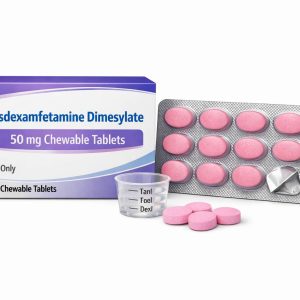
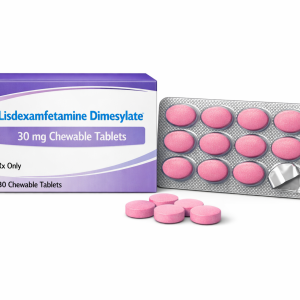
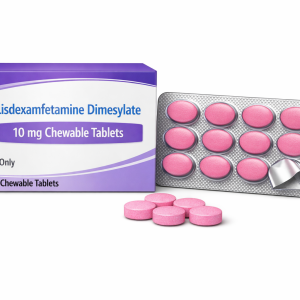
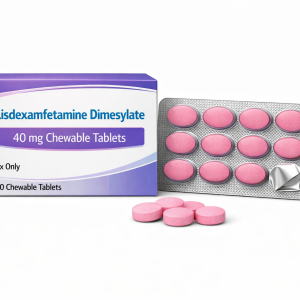
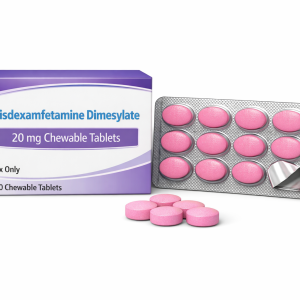
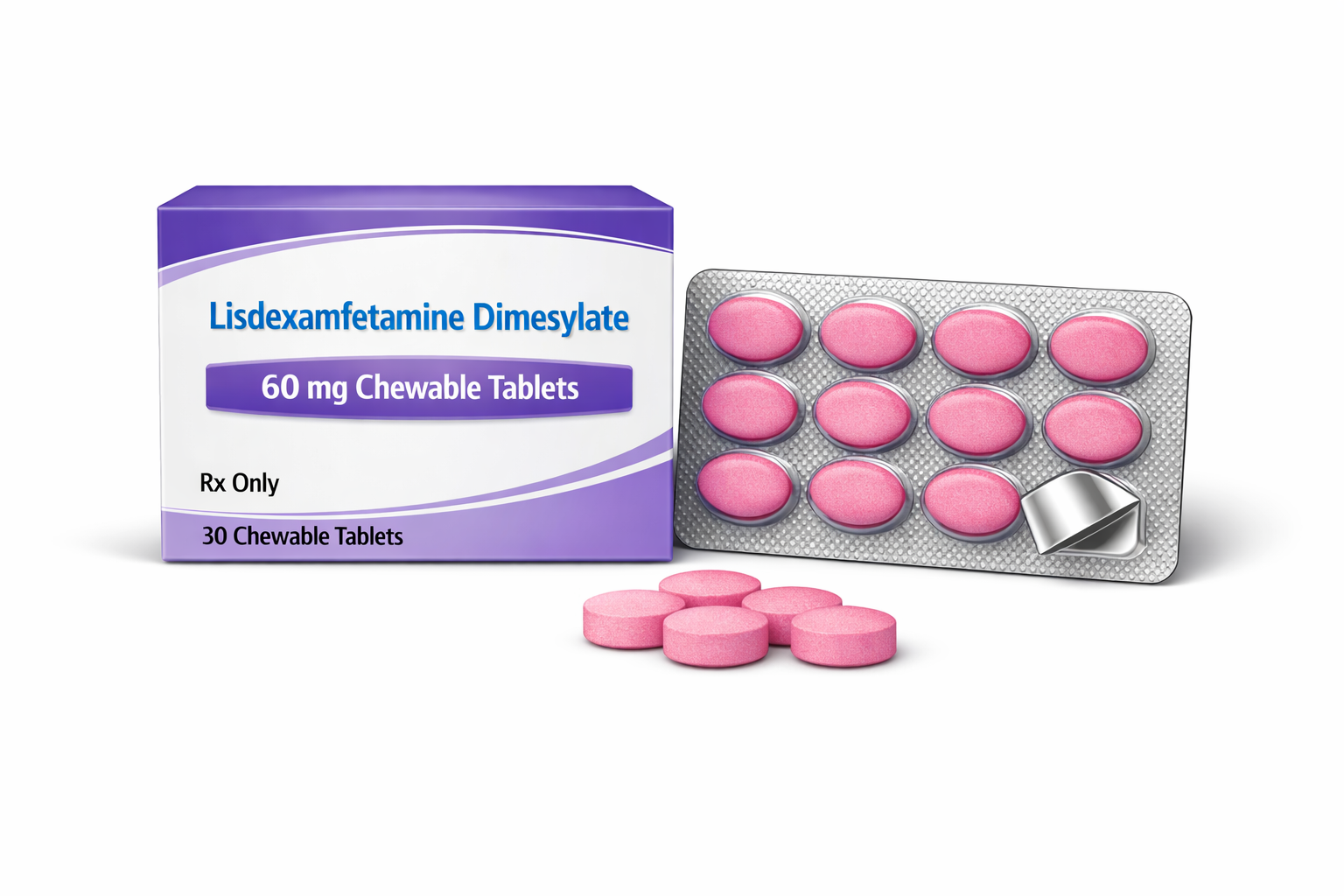
The generic 60 mg chewable strength is physically characterized by its distinct, user-friendly tablet design, usually featuring a round, white-to-off-white compressed tablet profile with clear identifying codes debossed directly onto one side. Both generic and brand-name versions incorporate a pleasant sweet or fruit flavoring mask to ensure high patient compliance among individuals who dislike swallowing standard oral capsules.
Drug Classification and Schedule
The United States Food and Drug Administration (FDA) classifies this medication as an amphetamine-based CNS stimulant. Because amphetamines carry a high clinical risk of abuse, misuse, and psychological dependency, the Drug Enforcement Administration (DEA) categorizes it as a Schedule II controlled substance. Therefore, strict federal laws regulate these prescriptions. A licensed healthcare provider must write a new prescription for every single pharmacy fill. Furthermore, automatic refills are completely prohibited by law.
Active Ingredient and the Prodrug Delivery System
The defining feature of this medication is its unique therapeutic mechanism. Unlike traditional extended-release stimulants that rely on specialized polymer bead coatings or wax matrices to delay drug release, each Lisdexamfetamine Dimesylate 60 mg chewable tablet contains a prodrug. Lisdexamfetamine itself is entirely inactive and does not bind to neural receptors. Instead, the molecule consists of d-amphetamine chemically bonded to l-lysine, an essential amino acid.
Upon ingestion and mastication, the active prodrug matrices dissolve and are absorbed into the bloodstream. From there, red blood cells encounter the molecule. Enzymes within these cells hydrolyze the bond, gradually snipping away the l-lysine amino acid to release the active dextroamphetamine. Because this conversion occurs slowly and depends entirely on the body’s natural red blood cell capacity, it creates a built-in rate-limiting step. Consequently, this delivery system ensures a smooth, continuous release of medication and inherently deters alternative routes of abuse, such as crushing or snorting.
Introduction to Treatment Options
Effectively managing ADHD requires an integrated approach tailored to an individual’s unique cognitive and behavioral needs. Often, behavioral therapy, academic accommodations, and organizational strategies form a vital foundation. However, many individuals require pharmacological support to achieve optimal focus. Long-acting stimulants serve as a primary medical intervention. Consequently, they help to stabilize erratic neurotransmitter activity so individuals can successfully meet their academic, professional, and personal goals.
Uses of a Lisdexamfetamine Dimesylate 60 mg Chewable Tablet
Physicians utilize this long-acting chewable formulation to provide stable, day-long symptom coverage. Moreover, its gradual onset makes it highly effective for sustained focus from morning through the late afternoon.
FDA-Approved Indications
The FDA officially approves this medication for the following indications:
- Attention Deficit Hyperactivity Disorder (ADHD): It has approval for use in pediatric patients aged 6 years and older, adolescents, and adults. It actively targets core neurodevelopmental symptoms. These include chronic inattention, distractibility, disorganization, physical hyperactivity, and poor impulse control. (Note: Unlike the capsule form, the chewable tablet form is not officially indicated for Binge Eating Disorder).
Common Off-Label Uses
In selective clinical scenarios, healthcare specialists prescribe this long-acting stimulant off-label to address other conditions. For example, they occasionally use it to manage severe daytime drowsiness associated with narcolepsy or idiopathic hypersomnia. Additionally, psychiatrists may utilize it as an add-on therapy for treatment-resistant major depressive disorder. Finally, it can treat profound chronic fatigue secondary to major medical conditions like advanced cancer.
How Lisdexamfetamine Dimesylate Works
The clinical efficacy of this medication depends on its ability to optimize chemical signaling within key brain regions. Specifically, it targets areas responsible for executive function, planning, and impulse control.
The Mechanism of Action
Once converted into active dextroamphetamine, this medication increases the extracellular availability of two crucial monoamine neurotransmitters in the prefrontal cortex: dopamine and norepinephrine. Specifically, it accomplishes this through a multi-faceted cellular mechanism:
- Reuptake Inhibition: The active drug binds directly to the dopamine transporter (DAT) and norepinephrine transporter (NET) proteins on presynaptic neurons. Thus, it stops these cells from reabsorbing and recycling the chemicals they have released.
- Promoted Release: Beyond blocking reuptake, it enters the presynaptic neuron via transporter proteins. From there, it interacts with vesicular monoamine transporter 2 (VMAT2) to trigger the direct release of stored dopamine and norepinephrine out into the synaptic clefts.
- Synaptic Accumulation: Because it keeps the reuptake pathways blocked while actively promoting neurotransmitter release, dopamine and norepinephrine pool within the synaptic clefts. Consequently, this action strengthens the signaling between neurons, which enhances executive functioning, sustained attention, and emotional regulation.
The Prodrug Advantage
The metabolic conversion step provides a distinct release pattern designed to provide comprehensive, day-long coverage:
- The Slow Conversion Phase: Because the inactive molecule must contact red blood cells to split into its active form, there is no immediate flood of stimulants into the system. Instead, active dextroamphetamine levels rise gradually over a period of 1 to 2 hours.
- Extended Symptom Management: The gradual enzymatic breakdown continues steadily throughout the day. This controlled profile counteracts the body’s natural rate of drug clearance. As a result, it provides stable symptom management for up to 12 to 14 continuous hours and prevents the sharp mid-day drops or jagged crashes common with immediate-release amphetamines.
Dosage and Administration of Lisdexamfetamine Dimesylate
Achieving the right therapeutic balance requires careful individualization by a healthcare professional. In addition, doctors typically adjust doses systematically based on clinical response and patient tolerability.
Available Forms and Strengths
While this profile focuses specifically on the 60 mg chewable strength, lisdexamfetamine is manufactured in multiple distinct chewable strengths to support precise clinical titration:
| Chewable Strength | Active Prodrug Ingredient Dose | Standard Administration Schedule |
|---|---|---|
| 10 mg Chewable | 10 mg of lisdexamfetamine dimesylate | Once daily, in the morning (Lowest initial titration strength) |
| 20 mg Chewable | 20 mg of lisdexamfetamine dimesylate | Once daily, in the morning (Common stepping-stone dose) |
| 30 mg Chewable | 30 mg of lisdexamfetamine dimesylate | Once daily, in the morning (Standard initial starting dose) |
| 40 mg Chewable | 40 mg of lisdexamfetamine dimesylate | Once daily, in the morning |
| 50 mg Chewable | 50 mg of lisdexamfetamine dimesylate | Once daily, in the morning |
| 60 mg Chewable | 60 mg of lisdexamfetamine dimesylate | Once daily, in the morning (Maximum available chewable strength) |
Standard Dosing Guidelines
For pediatric and adult patients initiating therapy, the standard starting dose is typically 30 mg taken once daily in the morning. A Lisdexamfetamine Dimesylate 60 mg chewable tablet represents a maximal therapeutic strength for the chewable line. It is intended strictly for patients who have demonstrated safe metabolic tolerance at lower increments but still require enhanced neurochemical support to achieve robust symptom management. A doctor may adjust the total daily dose in increments of 10 mg or 20 mg at weekly intervals based on clinical evaluation, up to a absolute maximum recommended dose of 70 mg per day. Healthcare providers always personalize the exact daily dose to achieve the best symptom control with the fewest side effects.
Important Administration Instructions
Patients must take this medication once daily in the morning. Because it provides up to 14 hours of active stimulant effects, taking it late in the afternoon will significantly disrupt your natural sleep cycle. Consequently, this causes severe insomnia. Fortunately, you can take it safely with or without food.
Crucial Alternate Mechanical Rule: The tablet must be chewed completely and thoroughly before swallowing. The patient should not attempt to swallow the chewable tablet whole, as this can affect initial breakdown properties. If a child cannot swallow or chew properly, alternative liquid-soluble methods using the standard capsule format may be considered by your provider.
Benefits of a Lisdexamfetamine Dimesylate 60 mg Chewable Tablet
When integrated into an approved treatment plan under proper medical oversight, this maximum-strength chewable formulation offers several distinct lifestyle and clinical benefits:
- No Pill-Swallowing Stress: First, the chewable format allows patients to chew and swallow easily, entirely eliminating the anxiety and choking risks associated with standard hard pills.
- Elimination of Multi-Tablet Burden: Second, the 60 mg single-tablet form removes the need to combine lower-dose formulations (e.g., taking two 30 mg tablets) to achieve heavy-tier maintenance criteria.
- Up to 14 Hours of Sustained Control: Third, a single morning dose of a Lisdexamfetamine Dimesylate 60 mg chewable tablet eliminates the need for a child to visit the school nurse or for an adult to carry medication during work hours.
- Reduced Risk of Misuse and Smooth Delivery: Finally, crushing or breaking the tablet does not cause an immediate high because the molecule remains dependent on blood enzymes. This leads to a smoother cognitive profile with fewer sharp emotional peaks and crashes.
Side Effects
Like all medications affecting central nervous system neurotransmitters, this stimulant can cause side effects. However, many are mild and resolve as the body adapts to the medication.
Common Side Effects
These manageable reactions occur most frequently during the initial titration phase or following an increase in dose:
- Dry mouth and throat dryness
- Decreased appetite, which may lead to temporary weight loss
- Difficulty falling asleep or staying asleep (insomnia), especially if taken late
- Mild elevations in resting heart rate and blood pressure
- Nausea, mild abdominal pain, upper stomach discomfort, or vomiting
- Headaches, mild dizziness, or an inner sense of physical restlessness
- Increased anxiety, jitteriness, or temporary mood changes
Serious Side Effects
While rare, severe physiological or psychological adverse reactions can occur. Discontinue use and contact emergency medical services or your physician immediately if you experience any of these signs:
- Cardiovascular Hazards: Sudden, sharp chest pain, unexpected shortness of breath, unexplained fainting, or severe, racing heart palpitations.
- Psychiatric Symptoms: New or worsening psychotic behaviors, including visual or auditory hallucinations, intense paranoia, mania, delusional thinking, or unprovoked physical aggression.
- Circulatory Complications: Unexplained numbness, cold sensitivity, pain, or skin color changes (turning white, blue, or purple) in the fingers or toes (Raynaud’s phenomenon).
- Growth Suppression Monitoring: Ongoing reductions in expected weight gain and structural height growth in developing pediatric patients require regular clinical observation.
Warnings and Precautions for Lisdexamfetamine Dimesylate
Before beginning treatment, patients must undergo a thorough medical screening. This step ensures they do not have pre-existing conditions that conflict with stimulant therapy.
Black Box Warning
This medication features a prominent FDA Black Box Warning highlighting its high potential for abuse, misuse, and psychological dependency. Prolonged misuse or recreational abuse can cause severe cardiovascular strain, chronic sleep disorders, stimulant-induced psychosis, and severe behavioral changes. Furthermore, stopping the medication abruptly after long-term high-dose misuse can trigger a severe withdrawal state marked by extreme fatigue, severe clinical depression, and suicidal thoughts.
Contraindications
Do not use this medication if you have any of the following underlying health conditions:
- Significant cardiovascular disease, advanced arteriosclerosis, severe hypertension, or structural heart abnormalities
- Known hypersensitivity or systemic allergy to amphetamine compounds or any components of the tablet
- A history of severe symptomatic cardiovascular disease or symptomatic coronary artery disease
- States of severe mental agitation, panic, or profound clinical anxiety
- A history of severe substance use disorders or alcohol addiction
Special Populations
Pediatric patients must have their height and weight monitored regularly by their doctor. This is because stimulants can cause temporary reductions in growth velocity. Older populations require extra caution due to an elevated baseline risk of cardiovascular strain and potential renal clearance reductions.
Drug Interactions
Co-administering this stimulant with other substances can alter its therapeutic efficacy. Additionally, it can cause severe, adverse drug interactions.
Dangerous Combinations
Taking a Lisdexamfetamine Dimesylate 60 mg chewable tablet concurrently with, or within 14 days of discontinuing, Monoamine Oxidase Inhibitors (MAOIs) is strictly contraindicated. Mixing amphetamines with MAOIs (such as phenelzine, tranylcypromine, or selegiline) can precipitate an immediate, life-threatening hypertensive crisis. This means a sudden, critical spike in blood pressure that can cause a stroke or heart attack. Therefore, you must respect this 14-day clearance window.
Other Notable Interactions
- Serotonergic Drugs: Combining amphetamines with Selective Serotonin Reuptake Inhibitors (SSRIs), Serotonin-Norepinephrine Reuptake Inhibitors (SNRIs), or triptans increases the risk of Serotonin Syndrome—a potentially life-threatening neuromuscular crisis.
- Alkalinizing Agents: Urinary alkalinizing agents (like sodium bicarbonate) can increase the blood concentration of active amphetamines by reducing renal clearance. Conversely, urinary acidifying agents (like ammonium chloride) can lower amphetamine blood levels.
- Antihypertensive Drugs: Because stimulants naturally raise heart rate and blood pressure, they can directly reduce the clinical effectiveness of medications taken to lower blood pressure.
Use During Pregnancy and Breastfeeding
Amphetamines cross the human placental barrier. Currently, clinical data regarding its direct effects during pregnancy are limited. However, infants born to mothers with a history of stimulant abuse face a higher risk of premature delivery, lower birth weights, and neonatal withdrawal symptoms. Therefore, this medication should be used during pregnancy only if the clear clinical benefit justifies the potential risk to the developing fetus.
Additionally, monitoring indicates that amphetamines pass readily into human breast milk. Therefore, nursing mothers should avoid breastfeeding while on this medication. This is because ingested stimulants can cause adverse effects in a nursing infant. These include increased irritability, elevated heart rates, poor feeding patterns, and sleep disturbances.
Storage Instructions
Proper storage ensures medication stability. Furthermore, it prevents unauthorized access or accidental exposure:
- First, store the chewable tablets at controlled room temperature, ideally between 68°F and 77°F (20°C to 25°C).
- Second, keep the tablets in their original tightly closed container to protect them from environmental moisture and humidity variations.
- Third, avoid leaving the bottle in reach of children who might mistake the sweet-tasting chewable formulation for candy.
- Finally, keep the package securely locked out of sight and reach of children and pets to prevent accidental ingestion or diversion.
Frequently Asked Questions
1. How quickly does a Lisdexamfetamine Dimesylate 60 mg chewable tablet start working, and how long does it last?
Because it is a prodrug, chewing it does not cause an immediate stimulant rush. The active ingredient must pass into the bloodstream where red blood cells convert it into active dextroamphetamine. Usually, it provides a noticeable improvement in attention and behavior within 1 to 2 hours after administration. Following this initial phase, it extends continuous symptom management for up to 12 to 14 hours total.
2. Can I swallow this chewable tablet whole with water?
No, clinical design guidelines specify that the tablet must be chewed thoroughly prior to swallowing. Swallowing the tablet whole can delay or alter the rate at which the solid matrix breaks down in your stomach, potentially affecting its smooth onset time. If swallowing a whole pill is preferred, speak with your doctor about moving to the standard capsule version.
3. What makes a Lisdexamfetamine Dimesylate 60 mg chewable tablet different from standard Adderall XR?
The primary difference lies entirely in the release mechanism. Adderall XR contains a mixture of active amphetamine salts that rely on immediate and delayed-release polymer bead coatings inside a capsule. In contrast, this medication is an inactive prodrug. Its release does not depend on digestive tract coatings or stomach acidity; rather, it relies entirely on gradual enzymatic breakdown by red blood cells.
4. What should I do if a dose is missed?
If you remember the missed dose early in the morning, take it right away. However, if you do not remember until the afternoon, skip the missed dose entirely and resume your normal scheduled dose the following morning. Never take a double dose to compensate. Taking this long-acting stimulant late in the day will almost certainly cause evening insomnia and disrupt your sleep schedule.
5. Is it safe to consume caffeine while taking this medication?
Medical providers strongly recommend avoiding or heavily limiting caffeine intake while on stimulant therapy. Both caffeine and amphetamines stimulate the central nervous system. Therefore, combining them can easily lead to overstimulation. This results in severe jitteriness, heightened anxiety, uncomfortable heart palpitations, and elevated blood pressure.
6. Can Lisdexamfetamine cause significant weight loss?
Yes, appetite suppression is a well-known effect of central nervous system stimulants because they act directly on the brain’s hunger pathways. To manage this safely, try eating a nutrient-dense, high-protein meal in the morning before chewing your dose. Additionally, plan calorie-dense meals and snacks later in the evening when the therapeutic effects of the medication begin to fade.
7. Can I take this chewable tablet with an acidic breakfast?
Yes, because it is an inactive prodrug that requires conversion by red blood cells after being absorbed, its overall therapeutic delivery is not significantly affected by high-acid foods or gastrointestinal pH changes. This sets it apart from conventional amphetamine salts, whose absorption can be reduced by acidic juices like orange or grapefruit juice.
8. Does this medication interact with alcohol?
Yes, combining alcohol with central nervous system stimulants is hazardous. Alcohol can alter the absorption kinetics of the medication and increase cardiovascular strain, raising heart rates and blood pressure to dangerous levels. Furthermore, stimulants can mask the sedative effects of alcohol, making you feel less intoxicated than you are and increasing the risk of alcohol poisoning.
9. How long does the medication stay in your system for a drug test?
The detection window varies depending on the type of test administered. Once converted, it registers as an amphetamine on standard workplace drug screens. Amphetamine metabolites can generally be detected in the urine for 2 to 4 days after the last dose, and in the blood for roughly 24 to 48 hours. Detection windows can extend slightly with chronic, high-dose usage.
10. What are the primary signs of an overdose?
A stimulant overdose is a critical medical emergency. Key signs include extreme physical agitation, severe confusion, muscle twitching, hyperventilating, rapid heart rates, severe headaches, vomiting, hyperreflexia, and vivid hallucinations. Severe toxicity can progress to dangerous cardiac arrhythmias, hyperthermia, convulsions, coma, or cardiovascular collapse. If an overdose is suspected, seek immediate emergency medical care right away.
Final Thoughts
In summary, choosing a Lisdexamfetamine Dimesylate 60 mg chewable tablet provides an innovative, user-friendly option for ADHD management due to its reliable, 12-to-14-hour prodrug delivery system. By utilizing an enzymatic conversion mechanism combined with an easy-to-chew flavored tablet structure, it delivers dependable, all-day symptom control. Consequently, this minimizes mid-day crashes and eliminates the frustration of frequent daily dosing. Because it is a Schedule II controlled substance with a high potential for dependency, it requires strict adherence to safety protocols and consistent clinical monitoring. Always coordinate closely with your physician to ensure safe and effective treatment.
Related products